Preclinical Protocol Writing & Q‑Sub Support
Our core service is writing preclinical animal study protocols for orthopedic and musculoskeletal devices, ready to submit with your FDA Q-Submission.
What we do:
Animal Study Protocol Writing for Q-Subs
Animal Model and Endpoint Selection
Study Data Analysis
510(k)
Premarket Approval (PMA)
De Novo
Investigational Device Exemption (IDE)
Agency Interaction
FDA Strategy Assessment
Protocol Writing for Q‑Submissions
Protocol writing is the core of what we do. We write the preclinical animal study protocol you submit to FDA in a Q-Submission, so the agency weighs in on the design before the study starts. We help select the animal model with the best biological and translational relevance, set sample size, timepoints and controls for statistical rigor, and define both in vivo assessments (safety, efficacy, function) and ex vivo outcomes (histology, histomorphometry, microCT, biomechanics). The result is a protocol your CRO can run and FDA can evaluate.
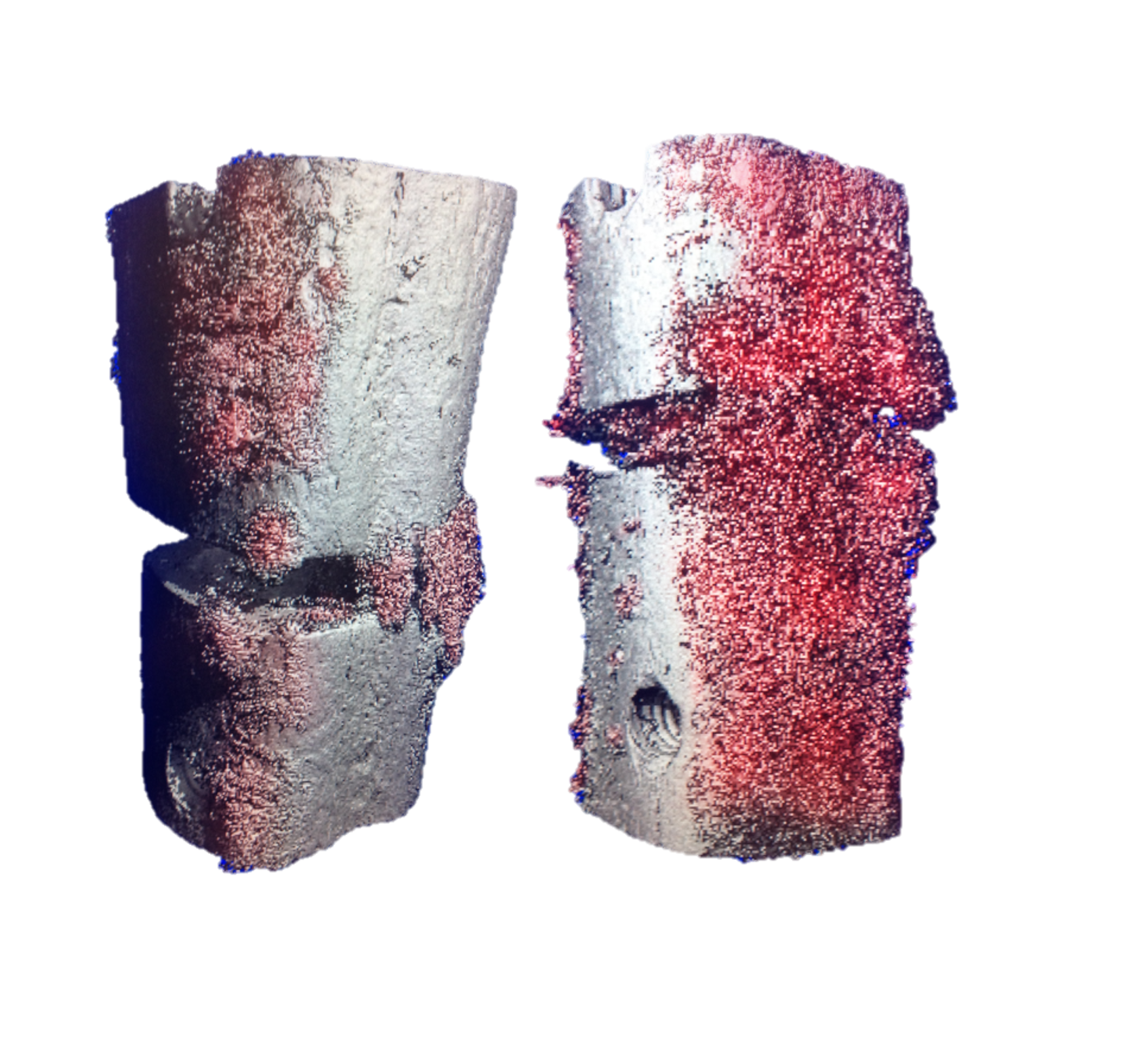
MicroCT reconstructions of healing ovine osteotomies. From Gadomski BC, PhD dissertation, Colorado State University, 2015.
Data Analysis
We provide comprehensive data analysis services to maximize the value and interpretability of your preclinical studies. Our expertise spans a wide range of modalities, including biomechanical testing to evaluate structural integrity and function, microCT imaging to quantify bone architecture and tissue morphology, and radiographic assessment with standardized scoring for objective evaluation of healing or degeneration. We also perform detailed histomorphometric analyses to capture cellular- and tissue-level changes with precision. To ensure robust conclusions, we apply rigorous statistical analyses tailored to the study design and data type, providing clear, accurate, and publication-ready results. By combining technical expertise with scientific insight, our data analysis services deliver meaningful outcomes that drive decision-making and support regulatory and translational success.
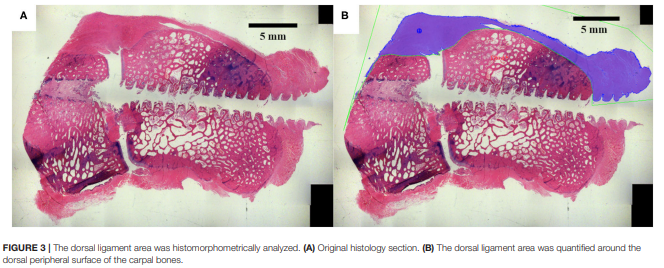
Histomorphometry of the dorsal ligament area in an ovine carpal model. Adapted from Gadomski et al., Frontiers in Veterinary Science, 2022 (CC BY 4.0).
Experience
Our team has extensive experience supporting a wide range of regulatory submissions, including 510(k), PMA, De Novo, and IDE applications. We understand the unique requirements and strategic considerations of each pathway, from demonstrating substantial equivalence for 510(k) clearances to generating the robust safety and effectiveness data required for PMA approvals. For novel technologies, we guide clients through the De Novo process, helping to establish new device classifications and regulatory pathways. We also have expertise in preparing Investigational Device Exemption (IDE) submissions, enabling first-in-human studies by ensuring that preclinical evidence, risk assessments, and study protocols meet FDA expectations. By combining regulatory knowledge with deep preclinical expertise, we help streamline submissions, reduce review cycles, and position your device for successful clearance or approval.
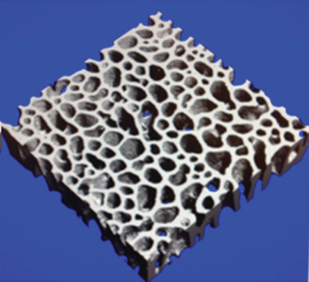
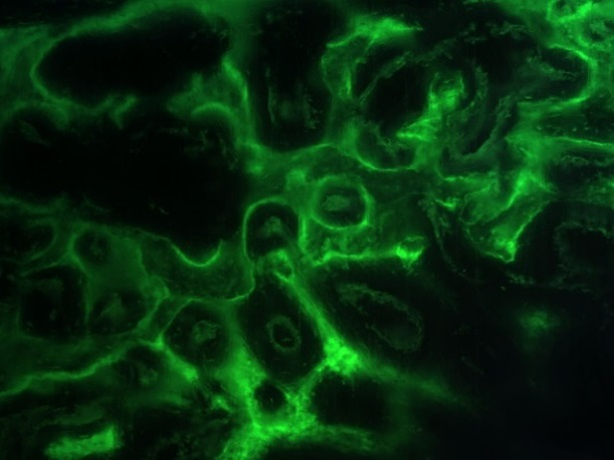
Left: microCT reconstruction of ovine trabecular bone. Right: fluorochrome labeling of bone remodeling. From Gadomski BC, PhD dissertation, Colorado State University, 2015.
Services
Filters
No results found
No results match your search. Try removing a few filters.
Contact us
Interested in working together? Contact us for a no cost, no obligation initial consultation. Fill out some info and we will be in touch shortly.